Decoration
Custom prints, embroidery, and heat transfers transform blank apparel into branded, one-of-a-kind pieces. But each decoration technique bonds differently to fabric — and reacts differently to heat, detergents, and mechanical stress. Without the right care, even the highest-quality decoration can crack, fade, or delaminate long before the garment wears out.
This guide covers all major decoration methods — screen printing, DTG, embroidery, and heat transfer — with precise care instructions for each. Whether you’re managing branded merchandise, corporate kits, or custom retail pieces, these guidelines help your end-customers protect their investment and keep designs looking sharp across hundreds of washes.
Universal Care Rules — All Decoration Methods
✅ Always Do
- Turn garments inside out before every wash
- Wash in cold / cool water (max 30°C / 86°F)
- Use a gentle or delicate cycle
- Use mild, colour-safe detergent
- Air dry in the shade — first choice for all decorated apparel
- Use a pressing cloth when ironing near decoration
❌ Never Do
- No bleach or chlorine-based stain removers
- No fabric softener — degrades ink, thread, and transfer adhesive
- No hot wash — accelerates fading and delamination
- No tumble dry on high heat
- No ironing directly over prints or embroidery
- No dry cleaning — solvents damage ink and transfers
1. Screen Printing Care
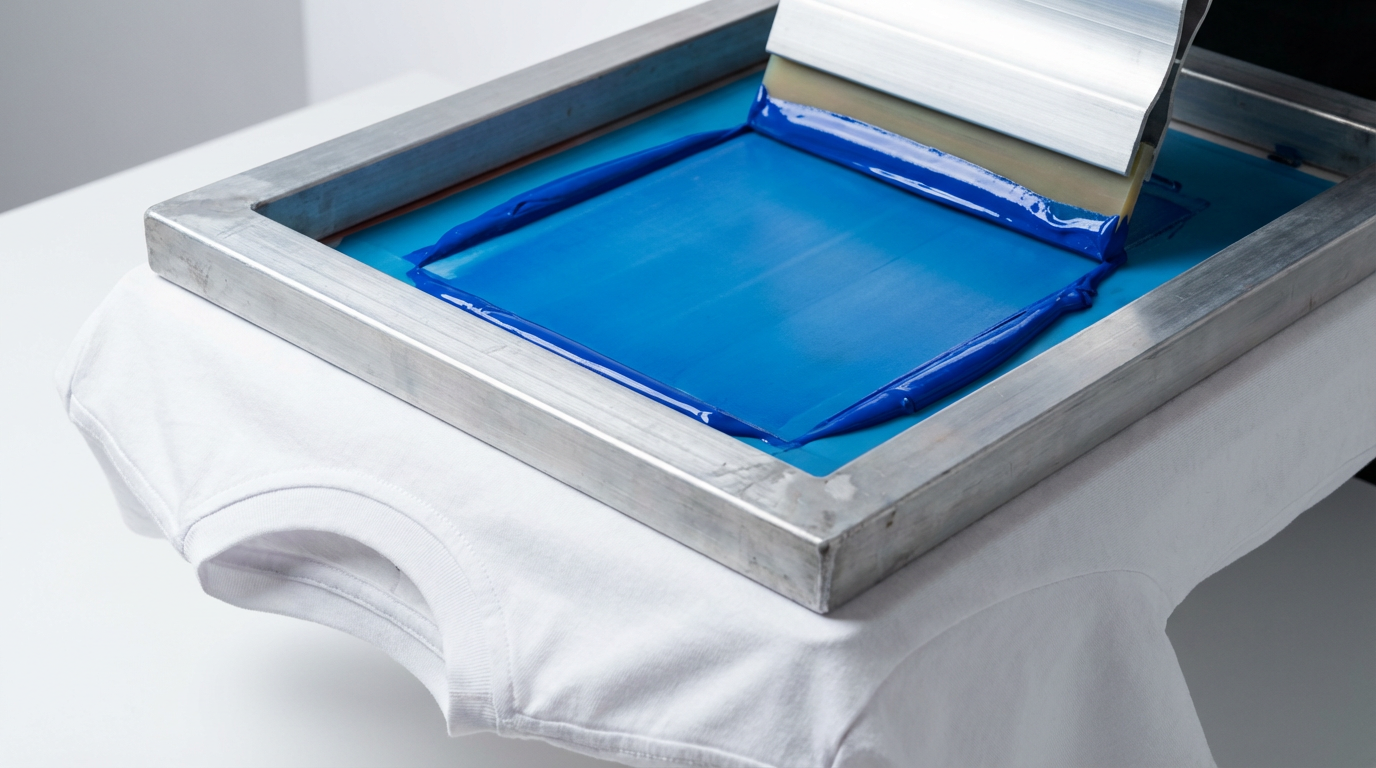
Screen printing uses thick plastisol or water-based inks pressed through a mesh onto the fabric surface. The ink sits on top of the fibres, which means heat and friction are the primary enemies of a long-lasting screen print.
- Wait 48–72 hours before the first wash
Freshly screen-printed garments need time for the ink to fully cure. Washing too soon can cause premature cracking and colour bleeding. - Cold wash inside out, gentle cycle
Reduces mechanical abrasion on the ink surface. High-temperature washing causes plastisol to harden and crack. - No tumble dry or high heat
Heat is the primary cause of screen print cracking. Air dry or use the lowest tumble setting only. - Never dry clean
Dry cleaning solvents dissolve plastisol ink and permanently damage the print. - Iron inside out with pressing cloth only
Direct iron contact causes ink to melt and stick to the iron, ruining both the garment and the print.
2. DTG (Direct-to-Garment) Printing Care
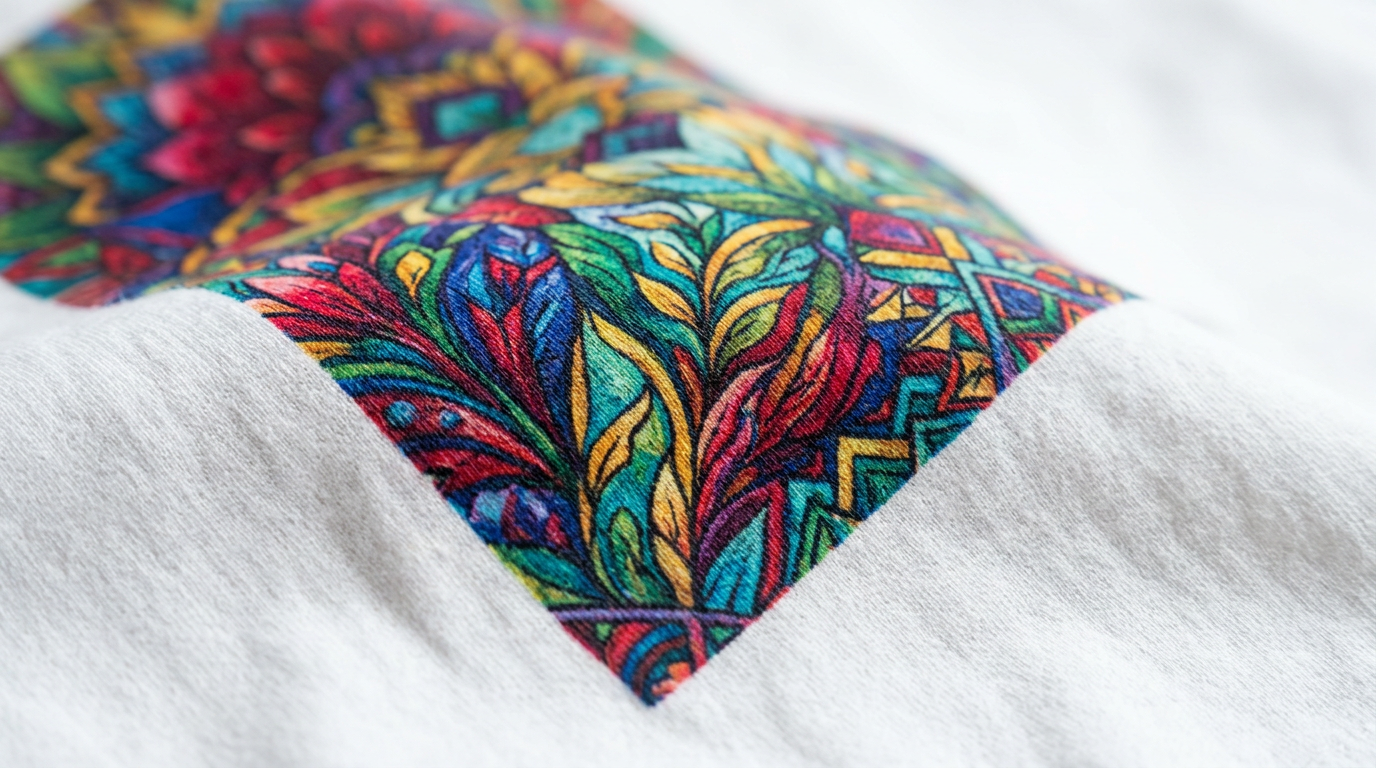
DTG inkjet ink is absorbed directly into the cotton fibres, creating soft, detailed prints without the hand-feel of screen printing. The trade-off: DTG prints are more sensitive to washing chemistry and require a slightly more attentive care routine.
- First wash: remove pre-treatment residue
DTG printing requires a pre-treatment solution. Washing the garment once before wearing removes any visible residue and softens the print feel — this is normal and expected. - Use pH-neutral detergent
Alkaline detergents accelerate ink breakdown in DTG prints. A pH-neutral, colour-safe detergent preserves vibrancy significantly longer. - Cold wash inside out, gentle cycle
Protects the ink layer from abrasion and chemical degradation. Avoid hot water — it causes DTG pigments to fade rapidly. - No fabric softener
Softener coats the fibres and breaks down the ink’s bond with the cotton, causing early fading and cracking. - Air dry or low-heat tumble only
Over-drying DTG prints causes stiffness and progressive colour loss. Remove from the dryer while still very slightly damp if machine drying.
3. Embroidery Care
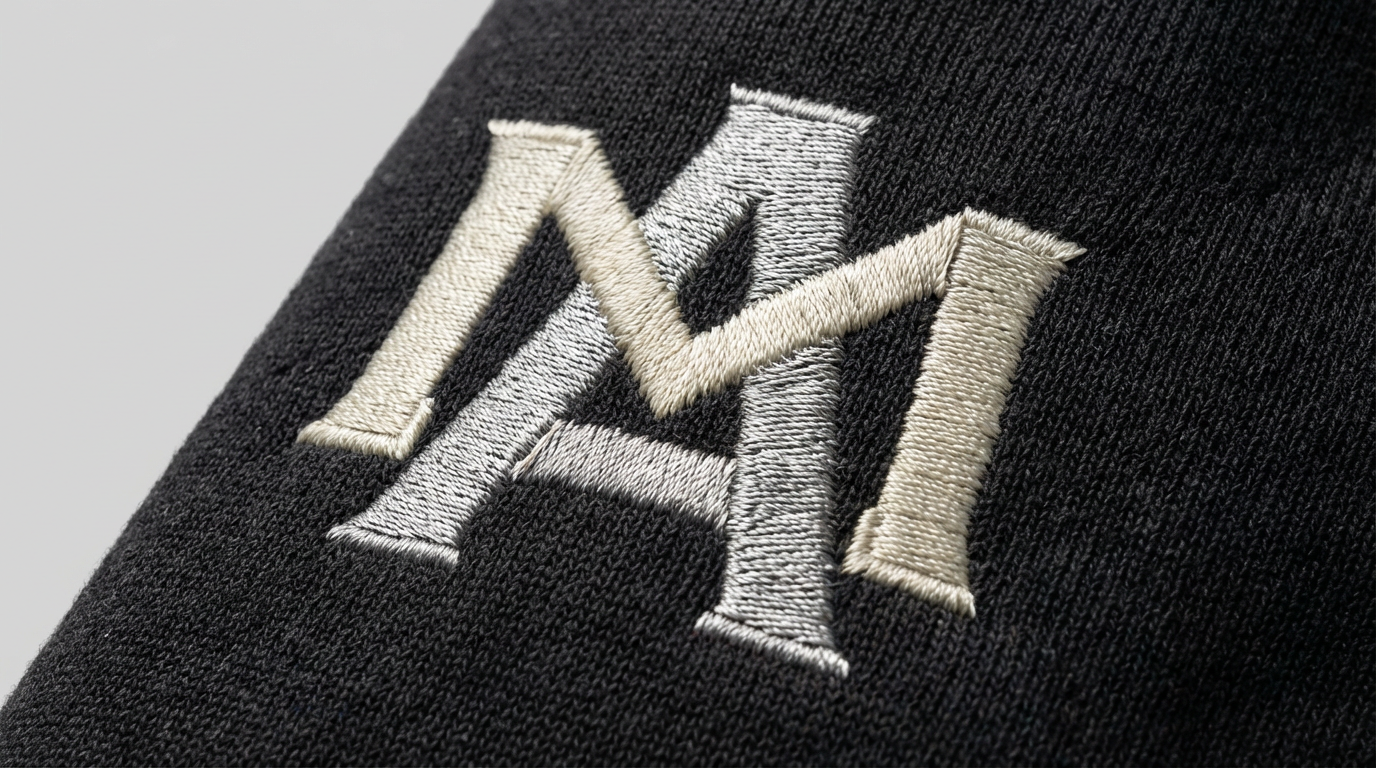
Embroidery is the most durable decoration method — thread doesn’t fade the way ink does. But the backing stabiliser and thread tension make embroidered garments sensitive to mechanical stress and heat during washing and drying.
- Turn inside out and use a mesh laundry bag
The mesh bag prevents threads from snagging on other items during the wash cycle — a single snag can cause thread unravelling across the entire embroidery area. - Gentle cycle, cold water
Reduces tension on stitching and the backing stabiliser. High-speed spins can distort embroidery placement on stretch or lightweight fabrics. - Never scrub the embroidery area
When pre-treating stains near embroidery, dab gently — never rub. Direct scrubbing pulls thread and distorts the stitch pattern. - Trim loose threads carefully
Cut flush with scissors — never pull a loose thread. Pulling can cause the stitching to unravel back to the lock point. - Air dry flat
Hanging can cause the embroidered area to stretch. For 3D puff embroidery especially, air dry flat only — tumble drying will permanently collapse the raised effect. - No bleach
Bleach discolours polyester embroidery thread and weakens the thread tensile strength over repeated exposure.
4. Heat Transfer & Vinyl Care
Heat transfer vinyl (HTV) bonds to fabric through a heat-activated adhesive layer. This adhesive is the most vulnerable component — it degrades with heat, fabric softener, and mechanical stress faster than any other decoration type.
- Cold wash inside out — no exceptions
Heat and friction are the two main causes of transfer delamination. A cold gentle wash is the only safe machine-wash option for HTV garments. - No fabric softener — ever
Fabric softener directly attacks the HTV adhesive, causing edge lifting and eventual peeling even after just a few washes. - Never tumble dry on high heat
The adhesive layer softens under heat and re-bonds incorrectly, causing bubbling, warping, and edge peeling. - Never iron over HTV
Even low iron heat can cause the vinyl surface to gloss over or permanently bond to the iron plate. - Peeling repair
For minor edge lifting, lay a Teflon sheet over the transfer and press with a heat press on low heat (130–140°C) for 8–10 seconds. Do not attempt this with a standard household iron — the heat distribution is uneven and often makes peeling worse.
Frequently Asked Questions
Will my print fade after washing?
With proper cold-water washing and air drying, high-quality screen and DTG prints will stay vibrant for 50–100+ wash cycles. Fading is almost always caused by hot water, high-heat drying, or harsh detergents — not by the quality of the print itself. Follow the method-specific care steps above and fading becomes a non-issue under normal use conditions.
Can I dry clean my embroidered shirt?
We do not recommend dry cleaning for embroidered apparel. The chemical solvents and elevated temperatures used in dry cleaning can damage polyester thread fibres, cause the backing stabiliser to contract, and distort the overall embroidery placement — particularly on stretch-content garments.
My vinyl transfer is peeling. What should I do?
Minor edge peeling is usually caused by high-heat drying or fabric softener residue. For small areas of lifting: place a Teflon or parchment sheet over the transfer and press with a heat press at 130–140°C for 8–10 seconds. To prevent recurrence, switch to cold wash and eliminate fabric softener entirely from the care routine.
How do I remove wrinkles from a printed garment without ironing?
Hang the garment in a steam-filled bathroom after a shower — the ambient moisture relaxes the fabric and reduces creasing without any direct heat contact with the decoration. A handheld steamer used on the reverse side (never directly on the print) is also very effective. Alternatively, lightly mist with water, smooth with your hands, and air dry flat.
Can I use fabric softener on decorated apparel?
No — fabric softener should be avoided for all decorated garments without exception. For screen and DTG prints, softener breaks down the ink-to-fibre bond. For embroidery, it weakens thread tensile strength over time. For heat transfer vinyl, it directly degrades the adhesive layer. The performance cost to the decoration far outweighs any softness benefit to the fabric.
DRIOV premium blank apparel is built to last — with proper care.
We use industry-leading decoration techniques and carefully selected materials for all custom orders, ensuring your designs stay crisp, vibrant, and durable across their full lifecycle. These guidelines are part of our commitment to quality that extends beyond the point of shipment.
You May Also Like
Fabric Care
Cotton Care Guide
How to wash, dry, iron, and store 100% cotton tees and hoodies to preserve softness, shape, and colour.
Read guide →Fabric Care
Blended Fabric Care Guide
Care instructions for cotton-poly and cotton-elastane blends — protecting stretch recovery, colour, and print integrity.
Read guide →