
Wholesale Guide
Many brand owners and wholesale buyers use the terms OEM, ODM, and private label interchangeably — but they describe three meaningfully different manufacturing relationships, each with different cost structures, timelines, and intellectual property implications. Understanding which model fits your brand is one of the most important sourcing decisions you will make.
What Is OEM (Original Equipment Manufacturing)?
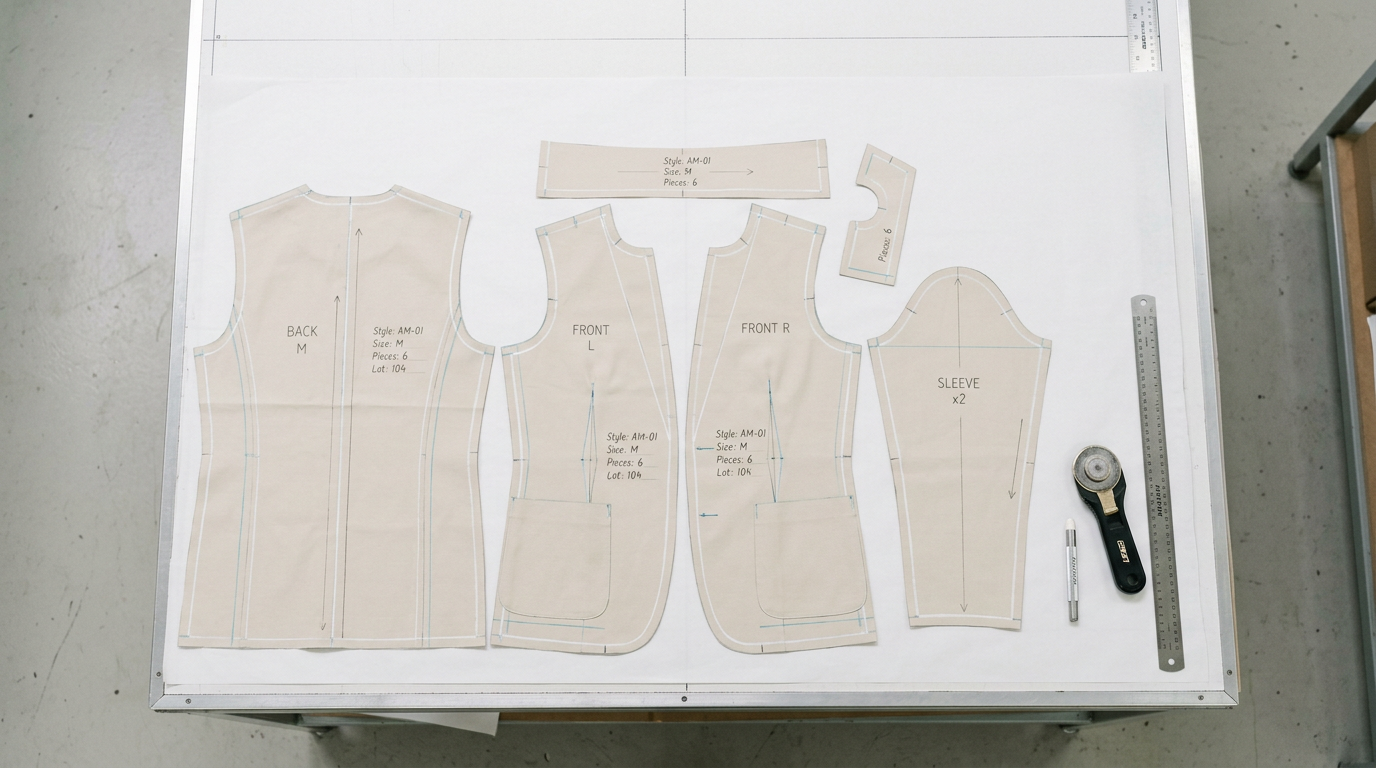
OEM means you bring the design — the factory builds it. You provide a tech pack, detailed spec sheet, or reference sample, and the manufacturer produces garments to your exact specifications: silhouette, fabric weight, construction, trims, and labelling.
- You own the design IP — the factory manufactures to your spec, not theirs
- Full specification control: fabric, GSM, construction, fit, hardware, trims
- Higher MOQ: typically 300+ pcs per style for custom cut-and-sew
- Longer lead times: sample 7–14 days, bulk production 30–45 days
- Best for: established brands with proven designs, repeat bulk orders, and clear product specifications
What Is ODM (Original Design Manufacturing)?
ODM means the factory provides the base design — you choose, modify, and brand it. You select from existing factory silhouettes or sample lines, then request adjustments: different colours, fit tweaks, custom labels, and your branding applied throughout.
- Factory retains the base design — your branding is applied on top
- Lower development cost: no patternmaking fees, no tech pack required
- Faster to market: designs are pre-developed and production-ready
- Lower MOQ than full OEM custom silhouettes
- Best for: brands expanding into new categories, testing products, or filling assortment gaps quickly
What Is Private Label?
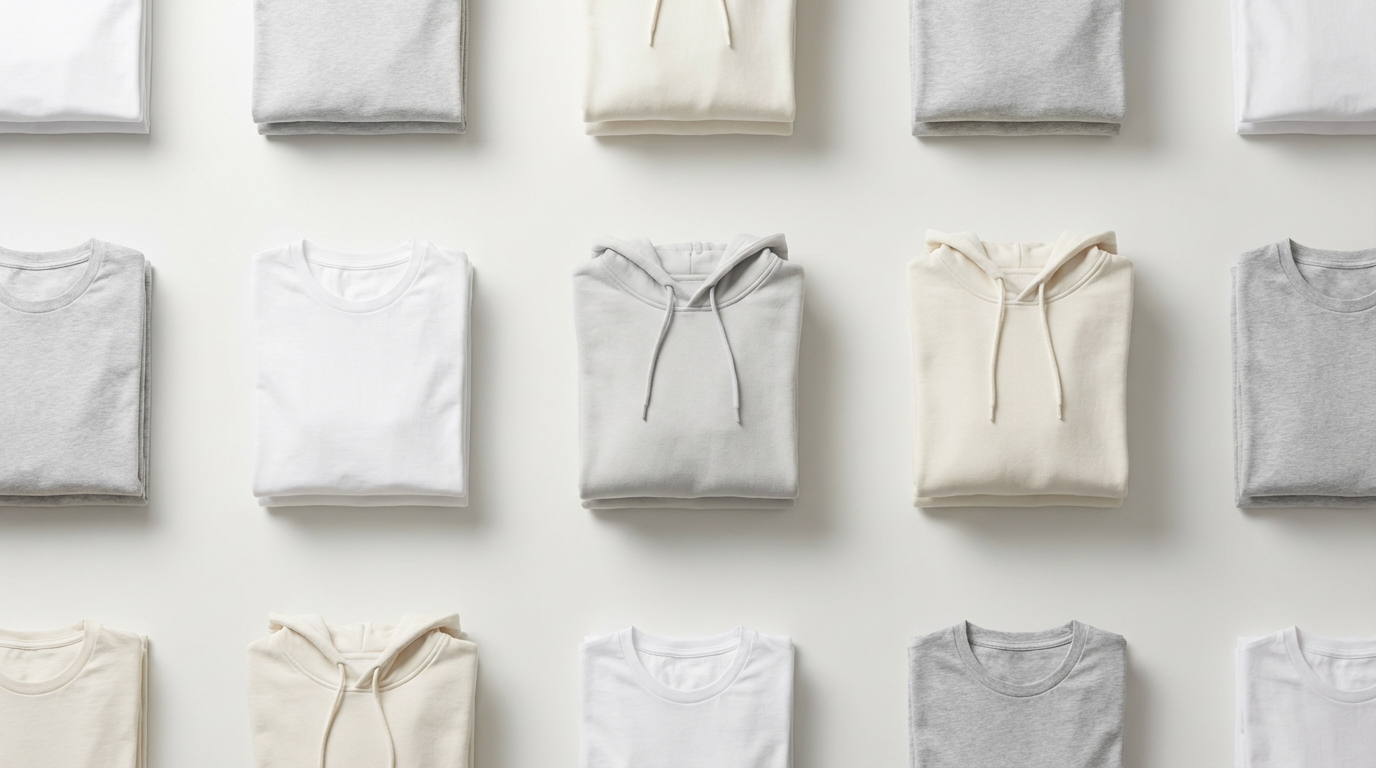
Private label means you buy finished blank garments and rebrand them with your own labels, tags, and packaging — no involvement in design or production. You select a blank product from the manufacturer’s catalogue, apply your brand identity, and sell it as your own.
- No design required: choose from an existing blank product range
- Lowest MOQ: typically 100 pcs per colourway at DRIOV
- Fastest to market: production-ready blanks with your labels applied
- Full branding: custom woven labels, printed tags, branded packaging available
- Best for: new brands, print-on-demand businesses, retailers, and brands testing new product lines without committing to custom development
Side-by-Side Comparison
| Factor | OEM | ODM | Private Label |
|---|---|---|---|
| Design ownership | You | Factory (base) | Factory |
| Customisation level | Full | Moderate | Branding only |
| Typical MOQ | 300+ pcs | 150–300 pcs | 100 pcs |
| Lead time | 30–45 days bulk | 21–35 days bulk | 14–21 days |
| Development cost | Higher | Moderate | Low |
| Best for | Established brands | Growing brands | New brands & retail |
How DRIOV Supports All Three Models
As a Quanzhou-based apparel factory with a dedicated B2B sales team, DRIOV operates across all three manufacturing models — letting brands start where they are and scale at their own pace.
Private Label Blanks
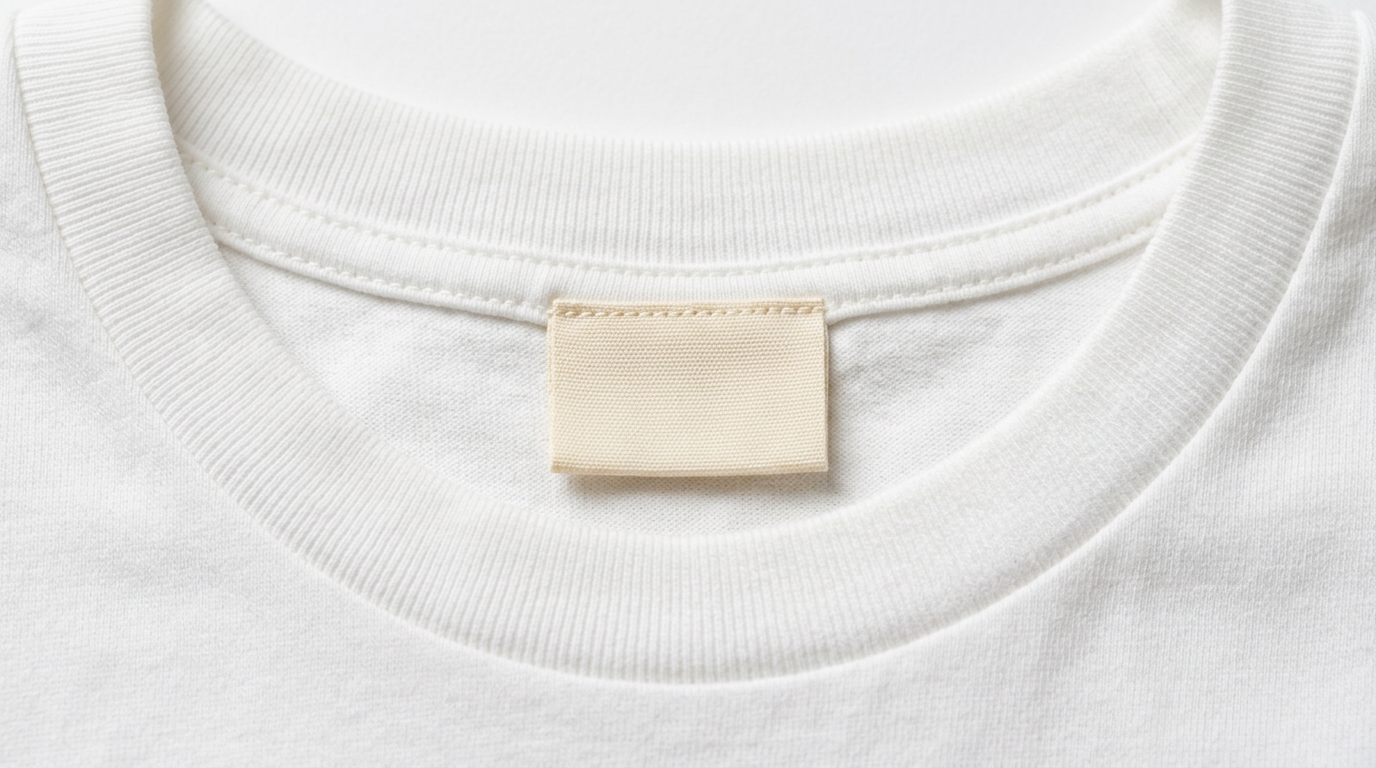
Choose from our range of premium blank apparel — tees, hoodies, sweatshirts, joggers, and more. We replace factory labels with your custom woven labels, printed tear-away tags, and branded polybag packaging. MOQ from 100 pcs per colourway. Learn more about private label →
Cut & Sew OEM
Send us your tech pack, sketch, or reference sample. Our pattern and production team develops your custom silhouette from the ground up — fabric selection, construction, fit, and full finishing. Sample in 7–14 days. Bulk from 300 pcs. Learn more about cut & sew →
Custom Decoration
All three models can be combined with in-house decoration: screen printing, embroidery, DTG, and heat transfer. Start with a private label blank and add your graphic — or develop a fully custom garment with all-over print. Explore decoration services →
Frequently Asked Questions
Can I start with private label and move to OEM later?
Yes — and this is a common growth path. Many brands start with private label blanks to validate their market and build cash flow, then transition to custom OEM silhouettes once they have proven demand and the order volumes to support development costs. DRIOV supports this progression and can advise at each stage.
What is the minimum order for OEM cut and sew at DRIOV?
Our standard MOQ for cut-and-sew OEM is 300 pcs per style. For private label blanks, MOQ starts at 100 pcs per colourway. For custom decoration on blanks (screen printing, embroidery), MOQ starts at 50 pcs per design.
Do I need a tech pack for OEM manufacturing?
A full tech pack is ideal, but not always required. Our team can work from detailed reference samples, sketches with written specifications, or a structured creative brief. We will flag anything that needs clarification during the sampling stage. The more detail you provide upfront, the fewer revision rounds are needed.
How do I know which model is right for my brand?
The right model depends on your budget, timeline, and product vision. If you have a unique design and volume to support it — OEM. If you want speed and flexibility with moderate customisation — ODM. If you are building a brand with minimal upfront investment — private label. Not sure? Contact our team and we will recommend the right approach based on your specific situation.
DRIOV works with brands at every stage — from first-order private label to high-volume OEM.
As a factory-direct manufacturer in Quanzhou, China, we offer transparent pricing, full compliance documentation, and a dedicated B2B team. Whether you are building your first collection or scaling an established line, we have the manufacturing model to match.
You May Also Like
Wholesale Guide
How to Start a Clothing Brand with Blank Apparel
Step-by-step guide to building your brand using wholesale blank apparel — blanks, decoration, MOQ, and private label.
Read guide →Wholesale Guide
How to Source Blank Apparel from a China Manufacturer
Factory vetting, sampling, compliance, payment, and shipping — a complete sourcing guide for wholesale buyers.
Read guide →