Fabrics
Performance fabrics — moisture-wicking polyester, stretch blends, and quick-dry technical knits — are engineered to move, breathe, and perform where standard cotton cannot. But their technical properties are chemical and structural: fabric softeners, high heat, and harsh detergents physically destroy the fibre treatment and knit geometry that make performance apparel work. The damage is cumulative and irreversible.
This guide covers every stage of performance fabric care — washing, drying, ironing, storage, and decoration-specific notes — with the precise rules that keep moisture-wicking, stretch recovery, and breathability intact across the full lifecycle of the garment.
Quick Reference: Performance Fabric Care Rules
✅ Always Do
- Turn inside out before every wash
- Wash cold (max 30°C / 86°F), gentle cycle
- Use liquid detergent — powder clogs fabric pores
- Air dry in shade — first choice, every time
- Wash with similar fabrics and colours
- Remove from dryer promptly if machine drying
❌ Never Do
- No fabric softener or dryer sheets — destroys moisture-wicking finish
- No bleach — degrades synthetic fibres permanently
- No hot wash or high-heat drying — melts fibre structure
- No ironing — synthetic fabrics melt under iron contact
- No long soaking — breaks down fibre treatment
- No dry cleaning — solvents destroy technical finishes
1. Washing: Protect the Technical Finish
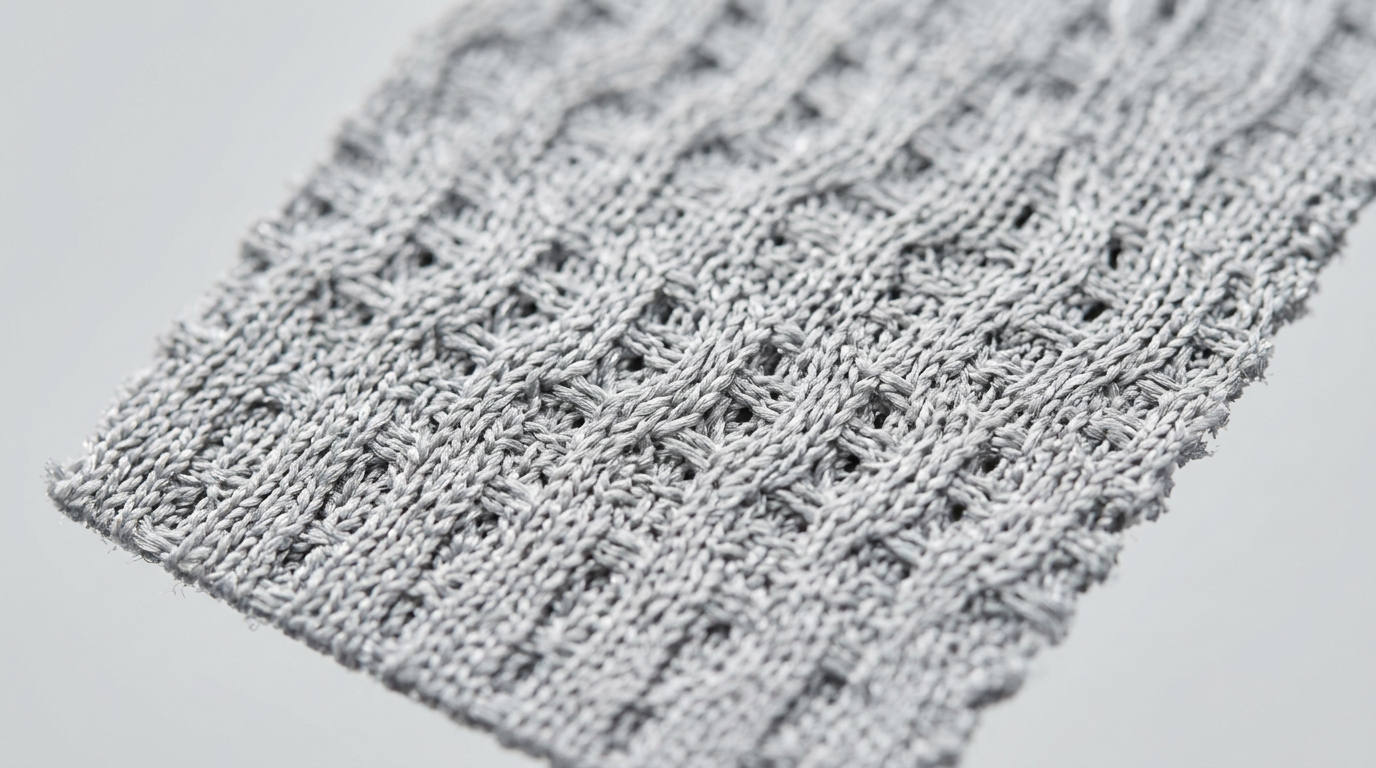
The moisture-wicking and quick-dry properties of performance fabrics come from a combination of fibre engineering and chemical surface treatment. Both are damaged — and eventually destroyed — by the wrong washing chemistry.
- Cold water only (max 30°C / 86°F)
Synthetic fibres — polyester, nylon, spandex — lose structural integrity progressively under heat. Cold water preserves both the fibre geometry and the moisture-transport treatment applied to the fabric surface. - Use liquid detergent, not powder
Powder detergent leaves undissolved residue that blocks the micro-pores in performance fabric weaves — physically preventing the moisture-wicking mechanism from functioning. Liquid detergent dissolves fully and rinses clean. - No fabric softener or dryer sheets — ever
Fabric softener deposits a waxy coating onto fibre surfaces. On standard fabric this feels soft; on performance fabric, it permanently clogs the moisture-transport channels and eliminates breathability. A single softener wash can permanently degrade wicking performance. - Gentle or delicate cycle
High-agitation cycles stress the elastane content in stretch-performance fabrics, causing irreversible stretch loss over successive washes. - Wash separately from rough items
Denim, velcro, or garments with exposed zippers cause abrasion pilling on performance knit surfaces. Wash with similar lightweight technical fabrics only. - No long soaking
Extended soaking degrades the surface treatment on moisture-management fabrics and can cause dye bleeding in performance pigment-dyed pieces.
2. Drying: Preserve Stretch & Breathability
- Air dry in shade — always the best option
Lay flat on a clean dry surface or hang on a broad-shoulder hanger in a well-ventilated, shaded area. Performance fabrics dry rapidly — most lightweight technical pieces are ready within 1–2 hours. Air drying is the single most important thing you can do to extend the lifespan of performance apparel. - Tumble dry on low heat only, if necessary
If machine drying, use the lowest heat setting. High heat melts polyester and nylon fibres, causing permanent shrinkage, distortion, and the permanent loss of stretch recovery in elastane-content pieces. Remove while still very slightly damp. - No direct sunlight for extended periods
UV exposure degrades polyester dye and weakens synthetic fibre tensile strength over time. Dry indoors or in a shaded outdoor area. - No dryer sheets
Dryer sheets are fabric softener in sheet form — they apply the same waxy coating to fibre surfaces and block moisture-wicking pores just as effectively as liquid softener. - Remove promptly when dry
Leaving performance fabrics in a warm dryer after the cycle ends causes static buildup and localised heat stress on elastane threads at seam and cuff points.
3. Ironing, Storage & Odour Prevention
Ironing & Steaming
- Do not iron performance fabrics — synthetic fibres melt under iron contact, even on low-heat settings. The result is permanent sheen marks, fibre fusion, and loss of stretch at the contact point.
- If wrinkles need removing, hang in a steam-filled bathroom or use a handheld steamer held at a distance on the reverse side of the garment. Never apply steam directly to elastane panels or printed areas.
Storage
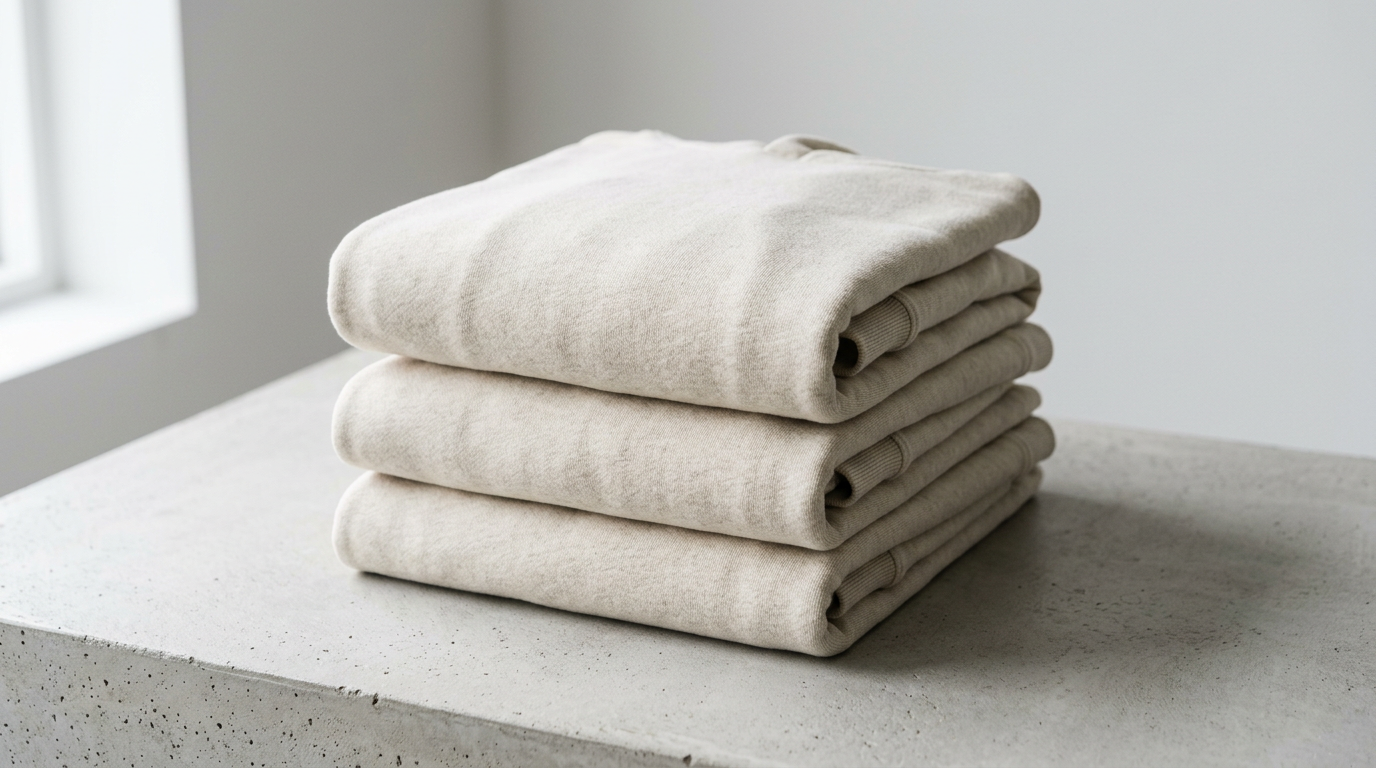
- Fold and stack rather than hanging for long-term storage — sustained hanging stretches elastane content at the shoulders and neckline.
- Store in a cool, dry, well-ventilated space away from direct heat sources and sunlight.
- Avoid sealed plastic storage — trapped moisture creates the ideal conditions for mildew growth on synthetic fabrics, which causes permanent odour and discolouration.
Odour Prevention
Persistent odour after washing is one of the most common complaints about performance fabrics — and it’s almost always caused by the same preventable mistakes:
- Fabric softener is the primary culprit. Softener residue traps odour-causing bacteria inside clogged fabric pores where water and detergent can’t reach. Once embedded, the odour compounds and becomes harder to remove with each subsequent softener wash.
- Too much detergent leaves residue that builds up in the fabric and traps bacteria — less is more for performance fabrics.
- Wash promptly after use. Don’t leave damp performance garments balled up in a bag or hamper — bacteria multiply rapidly in warm, moist synthetic fabric. Rinse or wash within a few hours of heavy use.
- For persistent odour: soak in a solution of cold water and white vinegar (1:4 ratio) for 30 minutes, then wash as normal. Vinegar is acid-based, breaks down alkaline detergent residue, and neutralises odour compounds without damaging synthetic fibres.
4. Decorated Performance Apparel: Prints & Embroidery
Performance fabrics are increasingly used as decoration substrates for branded activewear. The care requirements of the decoration and the fabric must both be respected — the rules below cover both simultaneously:
Printed Performance Apparel
- Cold wash inside out — always. The performance fabric rule and the print care rule are perfectly aligned here.
- No fabric softener — it breaks down both the moisture-wicking treatment and the print ink-to-fibre bond simultaneously.
- Avoid high-heat drying — degrades synthetic fibres and causes ink cracking at the same time.
- Never iron directly on any printed area — performance fabrics melt and prints crack under iron contact.
Embroidered Performance Apparel
- Use a mesh laundry bag — prevents thread snagging and reduces friction on the performance knit surface simultaneously.
- Gentle cycle only — reduces stress on both the elastane content and the embroidery backing stabiliser.
- Air dry flat — prevents stretch distortion of the performance fabric and preserves embroidery shape.
- No bleach — discolours polyester thread and damages synthetic performance fibre in a single application.
Frequently Asked Questions
Why does my performance fabric still smell after washing?
Persistent odour in performance fabrics is almost always caused by fabric softener residue, powder detergent buildup, or over-use of liquid detergent — all of which clog the fabric pores where odour-causing bacteria accumulate. Switch to a small amount of liquid detergent, no softener, cold wash, and air dry. For existing odour, a 30-minute cold soak in white vinegar solution (1:4 with water) followed by a normal wash cycle typically resolves embedded odour completely.
Can I use bleach on white performance activewear?
Never use chlorine bleach on performance fabrics. It breaks down the synthetic fibre polymer structure, destroys moisture-wicking surface treatments, and causes permanent yellowing in polyester. For whitening white performance garments, an oxygen-based (non-chlorine) brightener used sparingly and per instructions is the only safe option.
Will my performance fabric lose its stretch over time?
With correct care (cold wash, no fabric softener, low heat or air dry), high-quality performance fabrics retain their stretch recovery for hundreds of wear cycles. Stretch loss is almost always caused by high-heat drying, fabric softener coating the elastane fibres, or high-agitation washing that physically stresses the elastane threads beyond their elastic limit.
Can I dry clean my performance activewear?
We do not recommend dry cleaning for any performance fabric garment. The chemical solvents used in dry cleaning dissolve or degrade the moisture-management surface treatments on synthetic fabrics, and the elevated temperatures cause irreversible shrinkage and loss of stretch. Cold machine wash and air dry is always the correct approach.
How do I remove pilling from performance fabric?
Use a fabric shaver or lint roller to gently remove existing pills without cutting the base fabric. To prevent future pilling: wash inside out, avoid washing with rough items (denim, velcro), use a gentle cycle, and air dry. Pilling on performance knits is primarily caused by surface friction — reducing mechanical abrasion during washing is the most effective prevention.
DRIOV premium blank apparel is built to last — with proper care.
We use high-quality performance fabrics designed for durability, comfort, and long-lasting technical function. Follow this guide to preserve the moisture-wicking, stretch, and breathability properties your customers rely on — and deliver garments that perform as well on the hundredth wear as on the first.
You May Also Like
Decoration
Print & Embroidery Care Guide
Care instructions for screen printing, DTG, heat transfer, and embroidery on any fabric — keeping decoration intact wash after wash.
Read guide →Fabric Care
Blended Fabric Care Guide
How to care for cotton-poly and cotton-elastane blends — preserving stretch, colour, and print integrity.
Read guide →